
Compare UK Gas & Electricity Prices and Save on Your Energy Bills
Many UK households have been with the same energy supplier for years. Not because they’re getting a great deal, but because switching sounds like a hassle. There’s an assumption that it involves phone calls, engineer visits, and days without heating or power.
In reality, none of that is true.
Switching energy supplier is usually a straightforward online process that takes less than ten minutes. Once you’ve chosen a new deal, your new provider handles everything. Your gas and electricity keep flowing without interruption, and most switches complete within five working days.
The financial case for switching is real. Many households save between £300 and £600 a year simply by moving off a standard variable tariff onto a more competitive deal. Suppliers like Octopus Energy, British Gas, EDF Energy, and E.ON Next are competing for customers, which means better deals are regularly available to those who look for them.
If you’ve been with the same provider for more than a year without reviewing your tariff, there’s a reasonable chance you could be paying less. Free Energy Savings makes it easy to compare deals from trusted UK suppliers and switch when you’re ready.
Compare energy suppliers today and see how much you could save.
Compare Energy Prices In Minutes
Enter your postcode to see cheaper energy deals from trusted UK suppliers.

Switch Energy in 3 Simple Steps

Enter Your Postcode
Enter your postcode to compare energy deals available in your area from trusted UK suppliers.
Compare Energy Deals
Review tariffs, prices, and contract options to find a cheaper deal that suits your household.

Switch and Start Saving
Choose your preferred supplier and switch online in minutes with no interruption to your energy supply.
How Energy Price Comparison Works
Energy comparison is straightforward. You enter a few basic details, and the tool does the rest.
To get started, you’ll typically need your postcode and the name of your current supplier. If you have a recent energy bill to hand, that helps too, but it’s not essential. Most comparison tools can work from estimated household usage figures if you don’t have exact numbers.
Once you’ve entered your details, the comparison tool searches available tariffs across multiple suppliers. You’ll be shown a list of deals, usually ranked by price, so you can see at a glance which options are cheaper than what you’re currently paying.
From there, you can:
- Compare fixed and variable tariffs side by side
- Filter by green energy options if that matters to you
- Review customer service ratings alongside pricing
- Switch to a new supplier directly through the platform
The whole process usually takes less than ten minutes. And once you’ve chosen a tariff, your new supplier handles everything. Under Ofgem rules, the switch is typically completed within five working days.
One thing worth knowing: switching supplier does not affect your energy supply. Your gas and electricity continue to come through exactly the same pipes and wires. The only thing that changes is the company sending you a bill.
Why Comparing Energy Prices Matters
A lot of households end up on what’s called a standard variable tariff. This usually happens when a fixed deal ends and no action is taken. The account rolls over automatically, and the supplier moves you onto their default rate.
Standard variable tariffs are almost always more expensive than the competitive deals available on the open market. Prices can shift depending on wholesale energy costs, government price cap changes, and how aggressively suppliers are competing for new customers at any given time.
The energy market moves. What was a reasonable tariff eighteen months ago might not be good value today, and the reverse is also true. There are periods when fixed deals become genuinely attractive again, and households who compare regularly are the ones most likely to benefit.
Comparing energy prices regularly means you’re not leaving money on the table. It takes a few minutes, and even a modest saving of £25 a month adds up to £300 over the course of a year.
Some of the clearer benefits of switching to a better tariff include:
- Lower monthly or quarterly bills
- More predictable costs if you move to a fixed deal
- Access to green energy tariffs if you want to reduce your carbon footprint
- Better payment plan options with a new supplier
It’s also worth saying that loyalty doesn’t pay in the energy market. Suppliers often offer their most competitive rates to new customers. Comparing tariffs puts you in the same position as someone switching for the first time.
Types of Energy Tariffs Explained
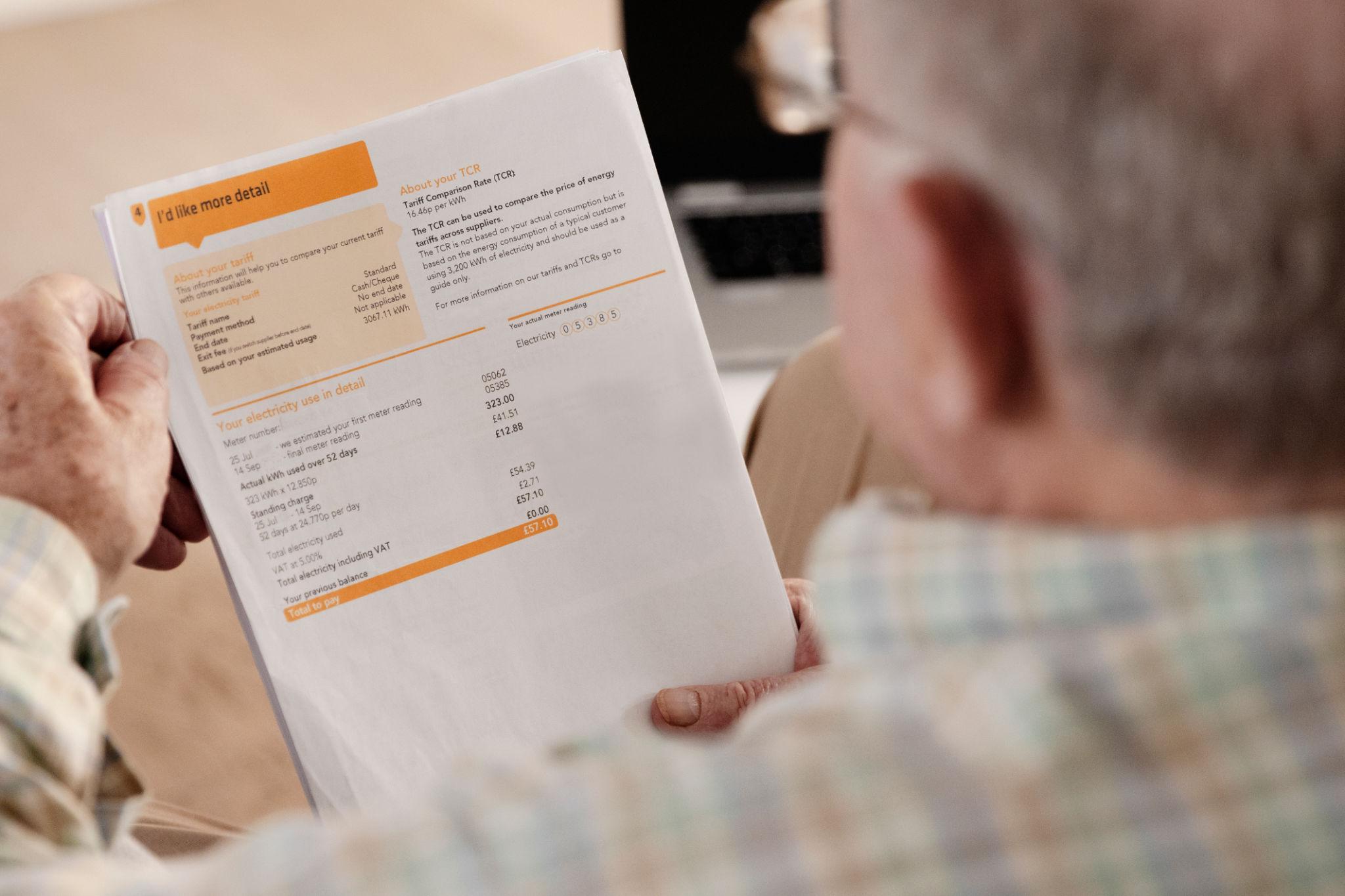
Before you compare deals, it helps to understand what you’re actually comparing. There are several types of energy tariff available in the UK, and each works differently.
Fixed Rate Tariffs
With a fixed tariff, your unit rate and standing charge are locked in for a set period. This is usually 12 or 24 months, though some suppliers offer shorter or longer terms.
The main advantage is predictability. If wholesale energy prices rise during your contract, you won’t be affected. Your rate stays the same until the deal ends.
The trade-off is flexibility. Some fixed tariffs come with exit fees if you want to leave before the end date. That said, many suppliers now offer fixed deals without exit fees, so it’s worth checking the terms before you commit.
Variable Tariffs
Variable tariffs move in line with market conditions and are subject to the Ofgem price cap. When energy prices fall, you benefit. When they rise, your bill goes up.
They tend to suit people who want flexibility, particularly if they’re not ready to lock into a fixed deal or expect prices to drop in the near future.
Economy 7 Tariffs
Economy 7 is designed for homes that use a lot of electricity during off-peak hours, typically overnight. You get a lower rate for seven hours at night and a higher rate during the day.
This tariff works best for households with storage heaters or electric vehicles that charge overnight. For most standard homes, it’s worth checking whether the numbers actually add up before switching to Economy 7.
Green Energy Tariffs
Green tariffs are offered by suppliers who match your energy usage with electricity from renewable sources such as wind, solar, or hydro. Some suppliers go further and invest directly in new renewable projects.
These tariffs are often slightly higher in cost, though the gap has narrowed in recent years. For households who want to reduce their environmental impact, comparing green tariff options is straightforward through any good comparison tool.
The Best Energy Suppliers in the UK
There’s no single best energy supplier for everyone. The right choice depends on your usage, your priorities, and the deals available in your area at the time you compare.
That said, some of the most widely used suppliers in the UK include:
Octopus Energy — consistently rated highly for customer service and known for flexible, innovative tariffs including time-of-use options for EV owners.
British Gas — the UK’s largest energy supplier, offering a broad range of tariffs alongside boiler cover and home services.
EDF Energy — a major supplier with a significant focus on nuclear and low-carbon energy, offering a range of fixed and variable deals.
Scottish Power — one of the longer-established suppliers, offering both standard and green tariffs across the UK.
OVO Energy — known for its focus on sustainability and straightforward tariff structures, with carbon offsetting included on some plans.
Different suppliers suit different households. Some prioritise low unit rates. Others care more about customer service, green credentials, or smart meter compatibility. Comparing multiple suppliers before making a decision gives you a much clearer picture of what’s actually available.
How Much Could You Save by Switching?
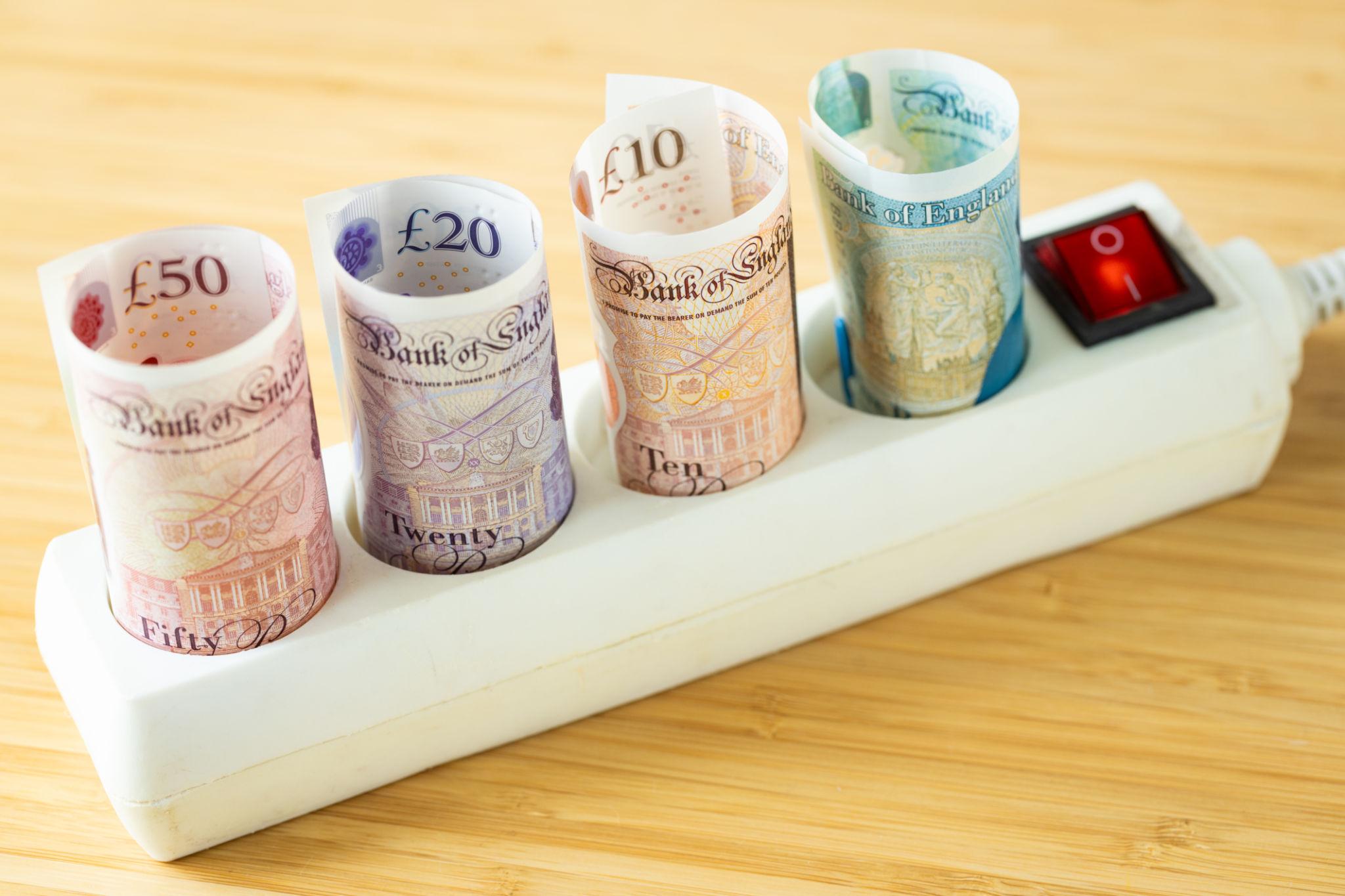
The honest answer is: it depends on your home, your usage, and what tariff you’re currently on. But the potential savings are real, and for many households they’re significant.
As a rough guide:
- Detached homes: potential savings of £400 to £700 per year
- Semi-detached homes: potential savings of £300 to £600 per year
- Flats and terraced homes: potential savings of £200 to £400 per year
These figures assume you’re currently on a standard variable tariff and switching to one of the more competitive fixed deals available at the time of comparison. Your actual saving will vary.
The biggest savings tend to come when someone hasn’t reviewed their tariff in two or more years. In that time, the energy market will have shifted, new suppliers will have entered with competitive rates, and the deal you’re on may no longer reflect good value.
Even if you switched relatively recently, it’s worth running a comparison. Deals change frequently, and what wasn’t worth switching to six months ago may now be.
How to Switch Energy Supplier: A Step-by-Step Guide
Switching energy supplier is simpler than most people expect. Here’s how it works from start to finish.
Step 1 – Compare energy prices Enter your postcode, current supplier, and usage details (estimated is fine) into the comparison tool. You’ll be shown a list of available tariffs ranked by cost.
Step 2 – Choose a tariff Review the options. Look at unit rates, standing charges, contract length, and whether there are any exit fees. Pick the deal that works best for your household.
Step 3 – Enter your details You’ll need your name, address, and current account details. The process is handled online and usually takes just a few minutes.
Step 4 – Your new supplier takes over Once you’ve confirmed the switch, your new supplier contacts your existing one and manages the transition. You don’t need to do anything else.
Step 5 – Switch completed Under Ofgem rules, most switches are completed within five working days. You’ll receive a final bill from your old supplier and your new tariff will begin.
No engineer visit is required. No new pipes or cables are installed. Your supply continues without interruption throughout.

What Information Do You Need to Compare Energy Prices?
You don’t need much to get started. The basics are:
- Your postcode
- The name of your current energy supplier
- Whether you have a single or dual fuel account (gas and electricity together, or separate)
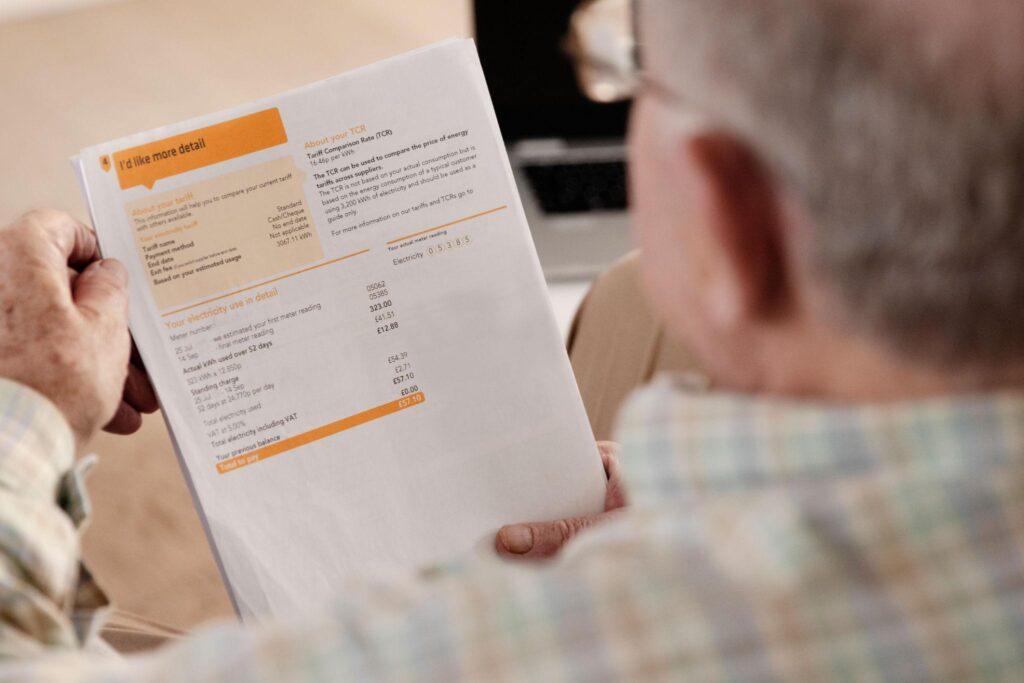
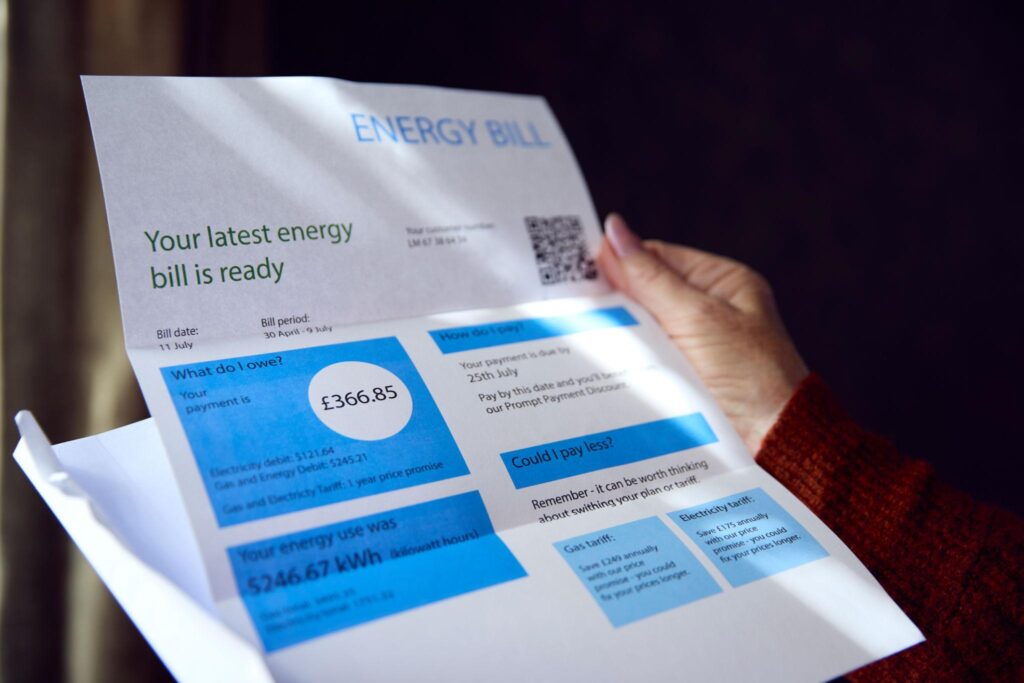
If you have a recent energy bill available, you can also enter your current unit rates and standing charges. This gives you a more precise like-for-like comparison.
Don’t worry if you don’t have exact usage figures. Most comparison tools include average consumption estimates based on property type and size. These aren’t perfect, but they’re good enough to give you a reliable indication of whether a cheaper deal exists.
The more accurate the information you provide, the more accurate your comparison will be. But even a rough comparison is usually enough to tell you whether it’s worth looking more closely.
Our Energy Comparison Process
Free Energy Savings is designed to make comparing and switching as simple as possible for UK households.
Here’s how it works:
Compare tariffs online — enter your details and see available deals from trusted UK suppliers in one place.
Review the best energy deals — results are shown clearly, with costs broken down so you can compare like for like.
Choose the supplier that suits you — whether you’re looking for the cheapest deal, a green tariff, or a supplier with strong customer service ratings, you can filter results to find what matters most.
Complete the switch — the process is handled online. Once you’ve confirmed your choice, your new supplier manages the rest.
Free Energy Savings works with established UK energy suppliers, so every deal you see comes from a provider that’s already operating in the market.

Why Use Free Energy Savings to Compare Energy Prices?
There are a few reasons households come back to Free Energy Savings when it’s time to review their energy deal.
Everything is in one place. Rather than visiting multiple supplier websites individually and trying to compare tariffs manually, you can see deals side by side in a single search.
The process is quick. Most comparisons take under ten minutes from start to finish, including completing the switch if you find a deal you want to move to.
You’re comparing real deals from real suppliers. Every tariff shown is available to switch to, not a headline rate used to attract clicks.
There’s no obligation. You can compare tariffs, see potential savings, and decide at your own pace whether switching makes sense for your household.
And if you want advice on reducing energy usage beyond just switching tariffs, Free Energy Savings also covers energy-saving solutions for the home.

Start Comparing Energy Prices Today
Comparing gas and electricity prices is one of the quickest ways to reduce your household bills. The process takes minutes, the switch itself causes no disruption, and for many households the annual saving runs into hundreds of pounds.
Whether you’re on a standard variable tariff that’s quietly costing you more than it should, or a fixed deal that’s coming to an end, now is a good time to see what else is available.
Free Energy Savings makes it straightforward to compare tariffs from trusted UK suppliers, review your options, and switch to a cheaper deal when you’re ready.
Frequently Asked Questions
Under Ofgem rules, most energy switches are completed within five working days. The process is managed between your old and new supplier, so you don’t need to do anything once you’ve confirmed the switch. You’ll receive a final bill from your old supplier, and your new tariff begins from the agreed start date.
No. Your gas and electricity supply continues without interruption throughout the switching process. The energy itself still comes through the same national grid infrastructure. The only change is which company is billing you. There’s no need for an engineer visit, and nothing physically changes at your property.
Yes, in most cases. Smart meters are now standardised across the UK, which means the majority of meters installed in recent years will continue to work in full smart mode after a switch. In some older installations, the meter may temporarily operate in basic (non-smart) mode before the new supplier connects it to their system. This is worth checking when you compare, but it’s rarely a reason to stay with your current supplier.
It depends on your current tariff. Standard variable tariffs generally have no exit fees. Fixed tariffs sometimes do, particularly if you’re leaving before the end of your contract term. Exit fees are usually listed clearly in the tariff terms, and any good comparison tool will flag them. If you’re within 49 days of your contract end date, most suppliers will allow you to switch without charging a fee.
Once a year is a reasonable starting point. A good time to compare is around 49 days before your current fixed deal ends, since that’s typically when you can switch without paying exit fees. Outside of that, it’s worth running a quick comparison whenever there’s a significant change in the energy market, or if you’ve been on a standard variable tariff for more than a few months.
There isn’t a fixed answer to this. The cheapest supplier depends on your location, usage, and the deals available at the time you compare. Tariff pricing changes regularly, and a supplier that offers the best rate today may not be the best option in three months’ time. The only reliable way to find the cheapest deal for your household is to run a comparison using your own details.
In most cases, yes. If your energy bills are in your name and you’re responsible for paying them directly to a supplier, you can switch. It’s worth checking your tenancy agreement first, as some contracts include clauses about energy suppliers, though these are not always enforceable. If your landlord pays the energy bills and recharges you, the situation is more complicated, and you would need to discuss it with them directly.
They can, but not always by much. The price difference between standard and green tariffs has narrowed over the past few years as renewable energy has become more established. Some green tariffs are actually competitive with standard deals, depending on the supplier and the time of year. If reducing your carbon footprint matters to you, it’s worth including green tariffs in your comparison to see what the actual cost difference looks like for your household.
Yes. Prepayment meter customers can switch energy supplier. The process is broadly the same, though the new supplier will usually send a replacement top-up card or key once the switch is complete. Some suppliers also offer the option to have your prepayment meter replaced with a credit meter at the time of switching, though this depends on the supplier and your circumstances.
Your direct debit to your old supplier will stop once the switch is complete and your final bill has been settled. If you’re in credit with your old supplier, they are required to refund the balance. Your new supplier will set up a new direct debit based on your estimated usage and the tariff you’ve chosen. It’s worth keeping an eye on this in the first few months to make sure the amount is set at a reasonable level.

What Our Customers Have To Say
Read More Of Our Reviews On Trust Pilot
We’ve had some bad experiences with installers in the past, but Free Energy Savings was a breath of fresh air. They were helpful and patient, answering all of our questions about the ECO4 scheme and making sure we understood how it worked. The installation was done quickly and professionally, and the team was extremely respectful of our home.
- Jessica B
We were a bit unsure about how the ECO4 grant worked, but Free Energy Savings made everything so simple. The team explained every detail of the grant and the benefits from a new boiler installation. When it came time for the installation, they arrived right on schedule and worked hard to get everything set up. What impressed me most was the attention to detail….
- Amelia L
Free Energy Savings exceeded all of our expectations. From the moment we contacted them, they were responsive and informative. The team helped us through the paperwork for the ECO4 grant, which was a big help since we had no idea where to start. The installation crew was friendly, professional, and fast. It’s been a couple of months now, and we’re already…
- Sarah H
Compare Energy Prices & Start Saving Today
Compare energy deals from trusted UK suppliers in minutes. Switching is quick, secure, and won’t interrupt your energy supply.